As California Hospitals Face a Maternity Care Crisis, Pomona Valley Hospital Medical Center Remains Committed to Women’s Health
- Category: News
- Posted On:

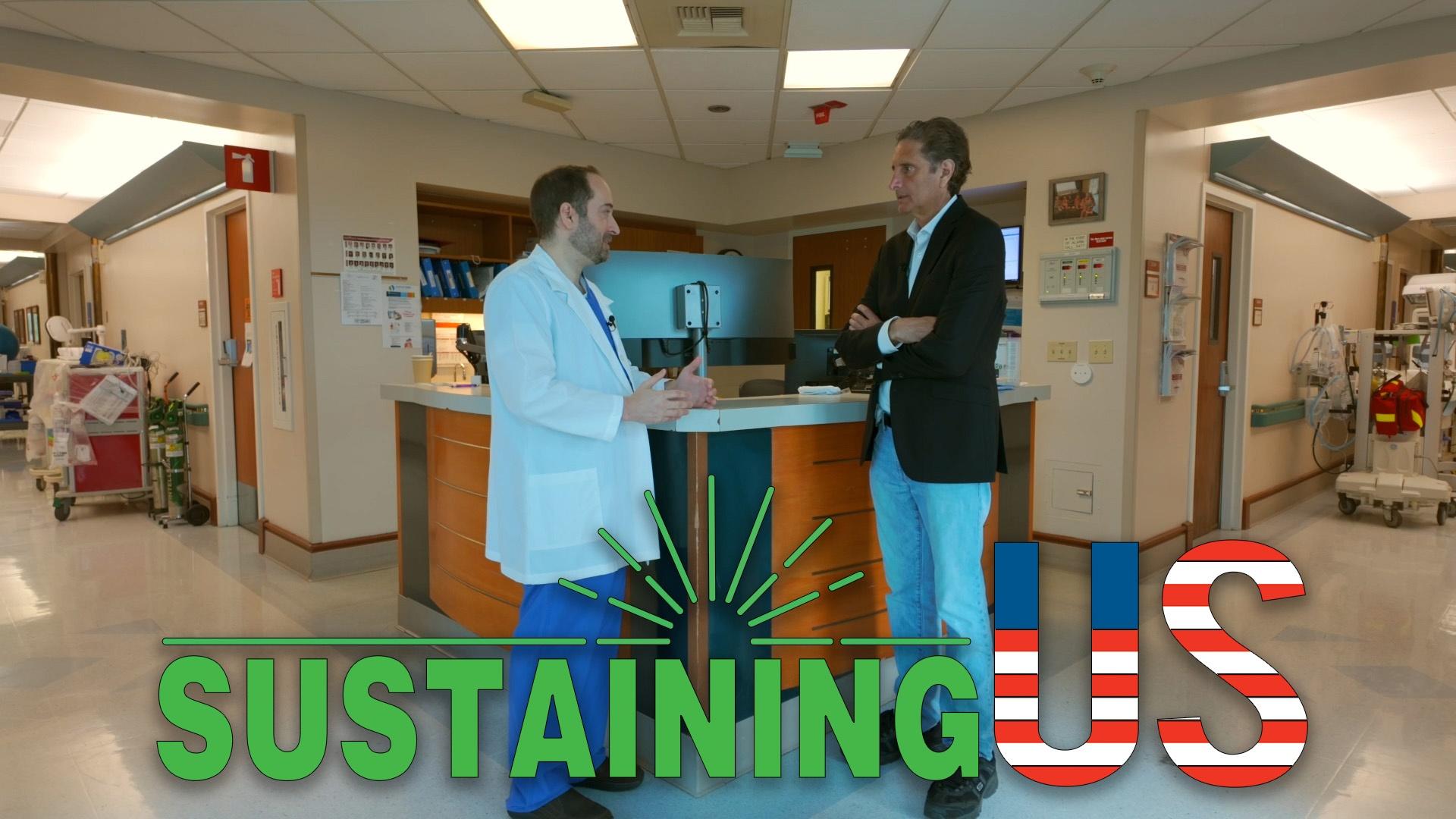
Hospital maternity units are shutting down all over California and the process has accelerated in recent years. PBS So Cal reporter David Nazar recently visited Pomona Valley Hospital Medical Center (PVHMC) to learn about this crisis and how it's impacting women and their families all over California.
David spoke with our high-risk maternal-fetal experts, Medical Director of Maternal-Fetal Medicine M. Hellen Rodriguez, MD, and Richard Burwick, MD, OB/GYN, maternal-fetal medicine physician and Medical Director of the OB/GYN Fellowship Program, about falling birth rates, Medicaid reimbursement and other factors that are contributing to this troubling trend.
Geographically positioned between Los Angeles and San Bernardino counties, PVHMC has a high-risk maternal fetal program that provides care to patients from all over California due to labor and delivery units shutting down in its surrounding communities. Patients as far as Mammoth Lakes visit PVHMC to receive vital health services for themselves and their unborn child.
Since 2012, more than 56 hospitals have closed their maternity wards in California. Many of these closures have impacted the Greater Los Angeles region, disproportionately affecting communities of color. The shut down has left women traveling further and waiting longer for care.
The closures primarily affect patients with Medicaid insurance, which pays for more than 40% of deliveries in the United States, and through Medi-Cal, more than 50% of deliveries in California. Unequal access to obstetric care contributes to America’s shamefully high maternal mortality rate, which was 22 maternal deaths per 100,000 live births in 2022, double or triple the rate of peer nations.
In the documentary, Dr. Burwick spoke about the challenges physicians face in diagnosing underlying health issues that some women experience that put them at higher risk for mortality. Dr. Rodriguez discussed the pressures that medical centers face when birth rates in their region drop.
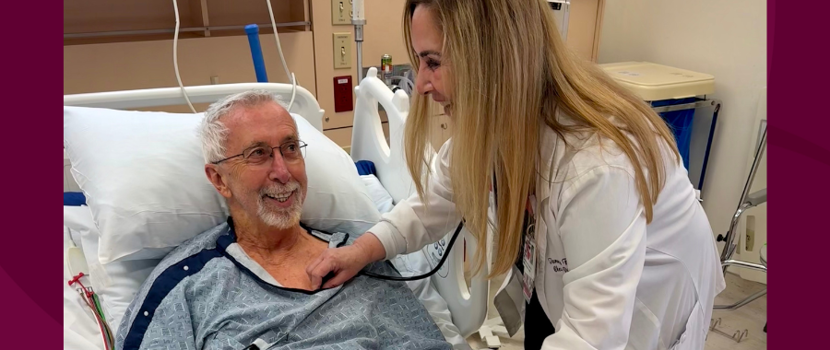
For years, PVHMC Women’s Center has provided comprehensive prenatal and postpartum services. PVHMC has a cesarean prevention program and quality initiatives that identify patients at high-risk for complications. The program aims to reduce cesarean births among low-risk, first-time mothers. The reduction in cesarean births leads to less complications and better outcomes.
PVHMC also works with neighboring health centers to monitor pre-natal care for women who plan to give birth at its hospital. The hospital has a maternal-fetal transport program with other facilities to transfer women who experience pregnancy complications to PVHMC. The high-risk maternal fetal transport team works closely with transferring facilities to develop a plan of care for every patient.
Since many complications are rooted in patient cardiovascular conditions, all expectant women admitted to PVHMC are closely monitored, and when necessary are treated for hypertension expeditiously. Upon discharge, patients who experienced high blood pressure while in the hospital receive blood pressure monitoring equipment to take home. In the hospital and out in the community, PVHMC focuses on health education to reduce disparities and improve access to services.
Click here to watch the full episode of PBS So Cal's Maternity Care Crisis: Is this the new Health Emergency?