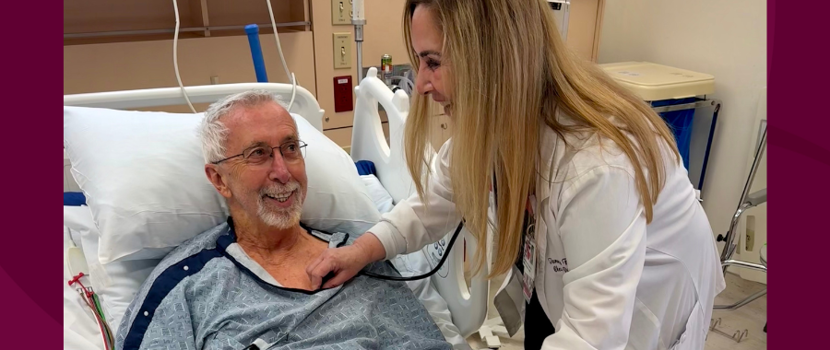
Dr. Andrew Dam, Gastroenterologist, Shares How Ultra Processed Foods Can Contribute to Colorectal Cancer Risk
- Category: Blog
- Posted On:

March is Colorectal Cancer Awareness Month, an opportunity to talk about a serious condition that has been rising among younger people. Excluding skin cancers, colorectal cancer is the third most common cancer diagnosed in both men and women in the United States, according to the American Cancer Society (ACS). A new 2026 study from the ACS also found that nearly half of all new colorectal cancer cases now occur in adults under 65, signaling a major shift in the demographics of the disease.
A recent JAMA Oncology study found that in a group of 29,105 women younger than 50 years who underwent lower endoscopy, who ate ultra-processed foods had a significant 45% higher odds of early-onset colorectal abnormalities than those consumed less ultra-processed foods.
Ultra-processed foods are highly processed through industrial techniques which leave them with little or no nutritional value. Their ingredients may include added sugar and salt, artificial colors, artificial flavors, emulsifiers and other manufactured additives, such as high fructose corn syrup.
Dr. Andrew Dam, gastroenterologist, Pomona Valley Hospital Medical Center (PVHMC), suggests that foods that are best for gut health include whole foods or those with the least amount of ingredients – think whole grains, fish, colorful fruits and vegetables and beans.
The US Food and Drug Administration estimates that 70% of the U.S. food supply is comprised of foods commonly considered ultra-processed, and that children get over 60% of their calories from such foods.
Although many individuals may not have the access or ability to avoid ultra-processed foods altogether, he hopes that arming them with this knowledge can help them to make healthier choices when they can.
“If you’re at the store and you have a choice between a white bread and one that is multigrain, opt for the multigrain,” says Dr. Dam. “Or, instead of a ready-made box of mac and cheese, make your own with a multigrain pasta, cheese and add in a vegetable like broccoli. These small food swaps can have a big impact on your gut health.”
While health screenings and lifestyle adjustments such as a healthy diet and regular exercise have decreased colorectal cancer rates in older adults, diagnoses in those under 50 have continued to increase.
“The diagnosis of younger people is an alarming trend that is being monitored and studied,” said Dr. Dam. “While there’s still much to learn about this issue, there’s a lot that people can do to improve their health and reduce their risk factors.”
Doctors recommend starting colonoscopies at age 45 for people who are at average risk of colorectal cancer. If you have a family history of colorectal cancer, it’s important to speak to your physician about your risk factors and starting screenings earlier. A colonoscopy is considered the gold standard for screening.
“Because people under 45 aren’t routinely screened, it’s particularly important for them to pay attention to potential symptoms, which can include fatigue, unexplained weight loss, diarrhea, constipation, blood in the stool or other changes to bowel habits,” adds Dr. Dam. “If we can catch cancer in its early stages, we have a better chance of treating it and improving survival rates.”
If you are seeking a gastroenterologist or need to schedule a colonoscopy, click here.