Postpartum Care for Vaginal Birth, C-Section, and VBAC
The hours and days after delivery are an important time for both you and
your baby. During your hospital stay, our care team supports your physical
recovery, emotional well-being, and transition to newborn care. From routine
medical assessments to individualized guidance, we help you understand
what to expect during postpartum recovery and prepare for a safe transition home.
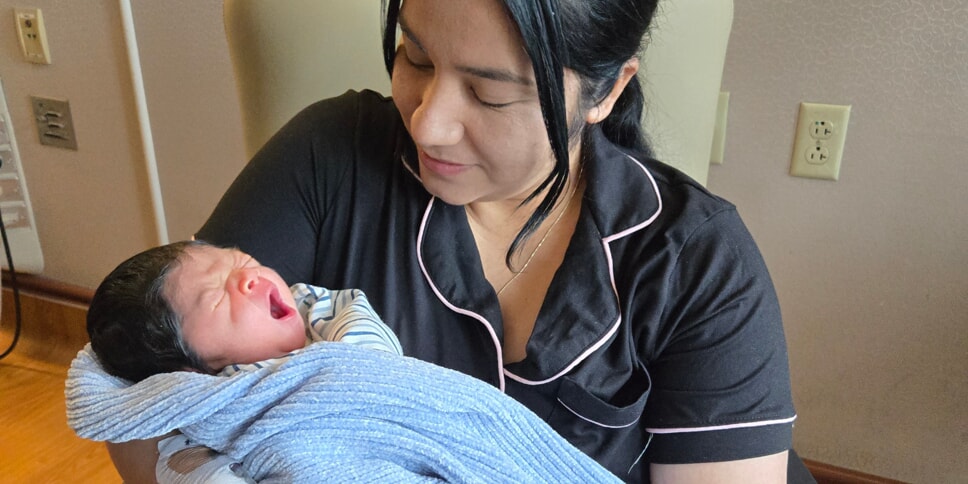
Postpartum care includes monitoring your health after delivery, supporting
infant feeding and bonding, and providing education tailored to your type
of birth — whether you had a vaginal delivery, cesarean delivery
(C-section), or vaginal birth after cesarean (VBAC).
Postpartum Care for All Deliveries
Postpartum care begins immediately after birth and continues throughout
your hospital stay. Regardless of how your baby is born, our team monitors
vital signs, bleeding, uterine healing, pain levels, and overall recovery.
Emotional well-being is also an important part of postpartum care, and
support is available throughout your stay.
You’ll receive education on normal postpartum changes, including
cramping, bleeding, swelling, fatigue, and sleep disruption. Breastfeeding
and feeding support are available for all families, along with guidance
on newborn care, safe sleep, and recovery at home.
Parents are encouraged to ask questions at any time. Our goal is to ensure
you feel informed, supported, and confident before discharge.
Postpartum Care and Recovery After Vaginal Delivery
Recovery after vaginal delivery typically focuses on healing of the perineal
area and a gradual return to normal activity. Vaginal soreness, swelling,
or discomfort is common, especially if tearing or stitches were needed
during delivery.
Our care team provides guidance on comfort measures, hygiene, and pain
relief to support healing. Vaginal bleeding and uterine contractions are
monitored closely, as these help the uterus return to its pre-pregnancy size.
Early movement and walking are encouraged as you feel able. Most patients
experience steady improvement during the first few weeks and can gradually
resume daily activities based on their provider’s recommendations.
Postpartum Care and Recovery After C-Section Delivery
Recovery after a C-section includes additional care related to abdominal
surgery. During your postpartum hospital stay, our team closely monitors
incision healing, pain control, mobility, and signs of infection or complications.
You’ll receive detailed instructions on incision care, including
how to keep the area clean and dry and what changes should be reported.
Pain management is tailored to support comfort while allowing for safe
movement and early bonding with your baby.
Gentle movement is encouraged to promote circulation and healing, while
heavy lifting and strenuous activity should be avoided until cleared by
your provider. Breastfeeding support is available, including positioning
options that help protect the incision during recovery.
Postpartum Care and Recovery After VBAC
Recovery after a vaginal birth after cesarean (VBAC) is similar to recovery
after vaginal delivery, with a few additional considerations related to
your prior cesarean surgery. Most patients experience less pain and a
faster recovery after a VBAC compared to a repeat C-section.
In addition to standard postpartum monitoring, our team pays close attention
to uterine healing and any abdominal discomfort near the previous cesarean
incision. Vaginal bleeding, cramping, and overall recovery are assessed
regularly, just as they are after other vaginal births.
While complications related to a prior cesarean scar after delivery are
uncommon, it’s important to report any unusual or worsening abdominal
pain, heavy bleeding, or fever so concerns can be evaluated promptly.
Emotional Health During Postpartum Recovery
Postpartum recovery includes both physical and emotional changes. Hormonal
shifts, sleep deprivation, and adjusting to life with a newborn can affect
mood after any type of delivery.
It’s normal to experience mood changes in the early days after birth.
However, persistent feelings of sadness, anxiety, or overwhelm should
be shared with your care team. Support is available, and emotional well-being
is an important part of postpartum care.
We also offer a
postpartum support group, available virtually in both
English and Spanish, for parents seeking connection, encouragement, and additional support
during the postpartum period.
Learn more about our postpartum support group (link coming soon).
Preparing for Discharge After Delivery
Before going home, our staff reviews important information to help your
family transition safely and confidently. This includes:
How to care for yourself and your newborn at home
What is normal during postpartum recovery and what is not
How and when to schedule follow-up appointments with your obstetrician
or pediatrician
Breastfeeding and feeding support resources
Warning signs after delivery that require medical attention
Birth certificate paperwork and required documentation
Car seat safety guidance
We encourage you to ask questions and share any concerns before discharge.
Your Partner in Postpartum Care
Our postpartum team provides compassionate, individualized care following
vaginal delivery, C-section, and VBAC. From recovery support to newborn
education, we are committed to helping you feel prepared, supported, and
confident as you begin life at home with your baby.

 April 08 Pregnancy & Postpartum Support Group - Spanish


[1].png)


