
Rising Prediabetes in the Pediatric & Adolescent Population & What You Can Do As a Parent
- Category: Blog
- Posted On:
.png)
By Adrienne-rae Velasquez, MBA, RDN, CCS, PVHMC
It is known that diabetes continues to plague the United States, but did you know that the prevalence of prediabetes in adolescents (10-19 years old) has continued to increase post-COVID due to significant changes in lifestyle?
One report completed by Journal of American Medicine Pediatrics found that nearly 1 in 3 adolescents and teens had prediabetes, and the rate among 12-19 year olds has more than doubled between 1999-2002 and 2015-2018 (from 12% to 28%).
The National Health and Nutrition Examination Survey reported data from 2021-2023 that identified approximately 30.8% of adolescents had prediabetes or Type 2 diabetes. This trend has experienced a dramatic rise due to heavy use of screen time and reduced physical activity, leading to a sedentary lifestyle.
Prediabetes Diagnosis
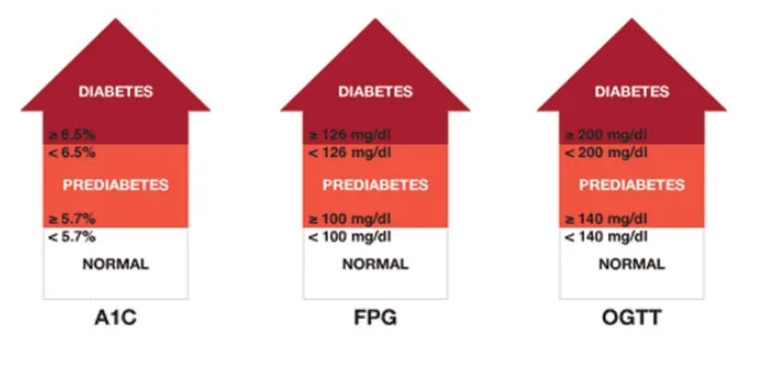
Diagnoses are based on the A1C blood test, the fasting plasma glucose test (FPG) and oral glucose tolerance test OGTT, as noted in the charts below.
What Can You Do As a Parent?
Children model what they see, including parental behaviors and habits. Become their role model with physical activity and dietary habits.
- EAT TOGETHER AT THE TABLE: Despite busy schedules, make it a point to have sit down dinners at the table with the family– uninterrupted by phones or television. This allows the brain to register the sensation of being full and take the time to intuitively eat.
- GO FOR A WALK OR CREATE NON-NEGOTIABLE OUTSIDE TIME: the Centers for Disease Control and Prevention and World Health Organization recommend 150 mins/week of moderate-intensity aerobic activity for adults, and recommends 60 min of physical activity daily for youth ages 6-17. Setting aside family ‘walk time’ or even frequenting shopping malls such as Ontario Mills prior to opening and doing laps in the AC is a great way to incorporate movement into the week.
- LIMIT CONCENTRATED SWEETS/CALORICALLY DENSE BEVERAGES: Reduce the intake of Starbucks trips and or boba runs. A single tapioca ball ranges from 5-14 calories per ball. Instead, replace with water. Cutting up fruits such as watermelon and putting it into water to flavor, provides a great way to ‘flavor’ an otherwise ‘boring’ drink for kiddos.
- “VEGGIE OF THE WEEK”: Exposure to different vegetables and coming up with new ways to eat, may work wonders. Whether it is serving it in a soup, trying a new dip, or having it in a salad.
If you are concerned that your child may have prediabetes or diabetes, or be at risk for developing this chronic disease, talk to your pediatrician or primary care physician. Our Pomona Valley Health Centers, located in Claremont, Chino Hills, La Verne and Pomona, offer primary care physicians who provide exceptional, compassionate health care at every stage of life. Visit mypvhc.com to find a doctor near you.
References:
ADA. “Prediabetes Doubles in Adolescents, Key Risk for Older Adults.” American Diabetes Association, diabetes.org/about-diabetes/prediabetes/adolescents-prediabetes-health-risk. Accessed 16 July 2026.
Peprah Osei E. Prevalence and predictors of prediabetes/type 2 diabetes mellitus among adolescents in the United States: NHANES (2021-2023). PLOS Glob Public Health. 2026 Feb 25;6(2):e0005596. doi: 10.1371/journal.pgph.0005596. PMID: 41739753; PMCID: PMC12935269.
Snuggs S, Harvey K. Family Mealtimes: A Systematic Umbrella Review of Characteristics, Correlates, Outcomes and Interventions. Nutrients. 2023 Jun 22;15(13):2841.doi: 10.3390/nu15132841. PMID: 37447168; PMCID: PMC10346164.
.jpg)
[2].png)